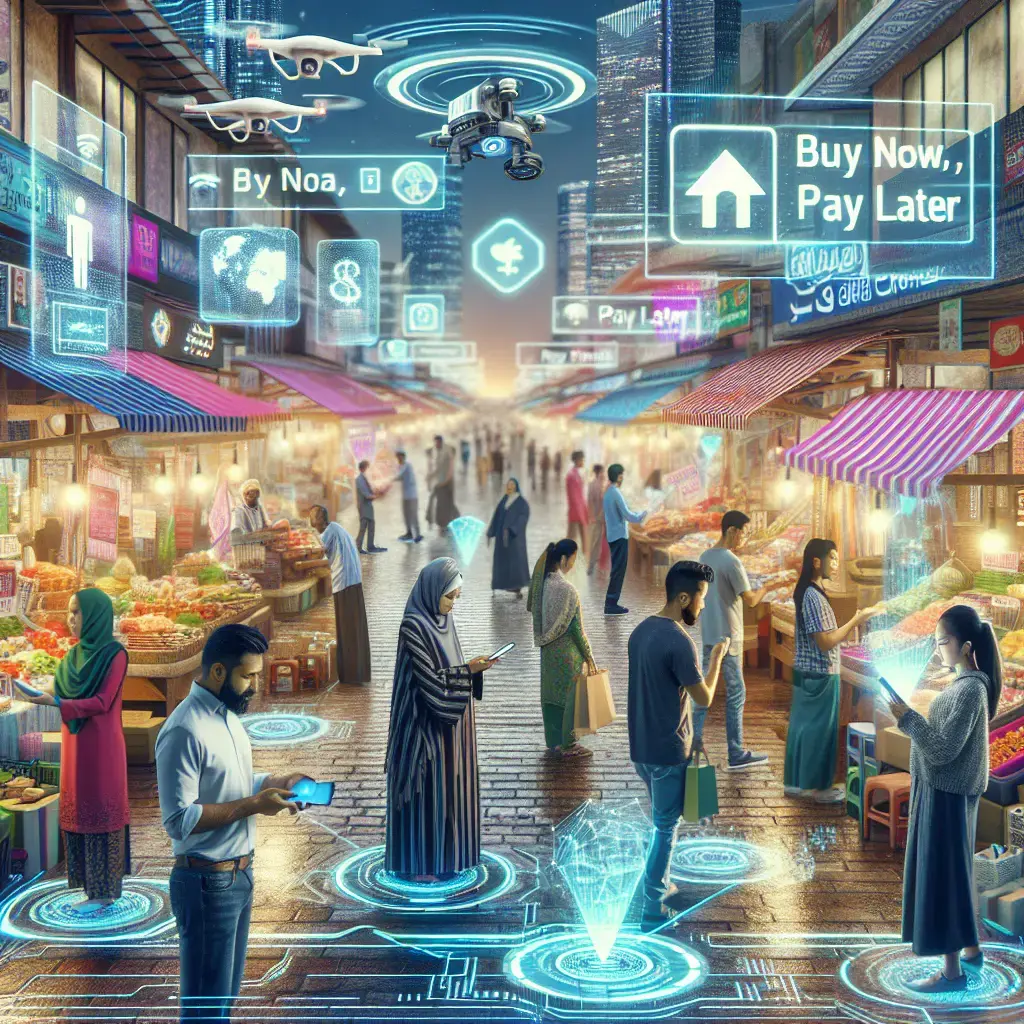
The Future of Buy Now Pay Later in Emerging Markets
In the ever-evolving sphere of digital payments, the Buy Now Pay Later (BNPL) model stands out as a key player, particularly in emerging markets. As we look toward the future of Buy Now Pay Later, significant shifts in consumer behavior are anticipated, driven by the rapid adoption of fintech BNPL solutions. This shift is underscored by the growing BNPL trends in 2023, which highlight the model’s growth potential due to its ability to offer financial inclusion and convenience to a broader audience. However, like any burgeoning sector, BNPL faces distinct challenges in emerging markets, primarily revolving around regulatory landscapes and infrastructure limitations.
The Growth Potential of BNPL
Recent data highlights that BNPL adoption rates are soaring in emerging markets, suggesting a significant shift towards digital payments. The competitive landscape is becoming increasingly crowded, with numerous players vying for a slice of the market. This competition fuels BNPL technology innovations and expands market opportunities. In 2024, market analysis shows that financial institutions and tech innovators are laser-focused on overcoming existing barriers to unlock the full potential of BNPL growth. But what exactly is driving this growth?
Consider the case of Emily from North Yorkshire, who often has to sell her belongings to provide food for her children (learn more here). For individuals like Emily, BNPL offers a much-needed lifeline, enabling them to manage their finances more effectively without immediate financial strain. This financial flexibility is one reason why BNPL is becoming increasingly popular among consumers with limited disposable income.
Challenges in Emerging Markets
Despite its potential, BNPL faces considerable hurdles in emerging markets. These challenges include regulatory landscapes that may not yet be adapted to this novel financial service. The infrastructure required to support seamless digital transactions can also be lacking in some regions. As noted by experts, addressing these BNPL challenges in emerging markets is crucial for stakeholders aiming to navigate this evolving terrain successfully (explore further).
Yet, the resilience of BNPL models in these regions should not be underestimated. With a burgeoning population eager to embrace new financial solutions, many stakeholders are working collaboratively to address these hurdles. For instance, recent initiatives by major fintech companies have focused on enhancing digital infrastructure and collaborating with local governments to create a supportive regulatory environment.
Consumer Behavior and Market Dynamics
BNPL's impact on consumer behavior is profound. The model provides consumers with more purchasing power and encourages a shift towards more responsible financial habits. A recent example involves rapper Flavor Flav and Reddit co-founder Alexis Ohanian, who stepped in to assist an Olympic athlete struggling to pay her rent (find out more). This highlights how financial assistance, much like BNPL, can empower individuals to overcome short-term financial challenges without compromising their long-term goals.
The BNPL regulatory landscape also plays a crucial role in shaping consumer behavior and market dynamics. For emerging markets, creating regulations that protect consumers while fostering innovation is vital. Policymakers are increasingly aware of this balance and are working towards frameworks that ensure consumer protection without stifling innovation.
Technology Innovations and Competitive Landscape
The future of BNPL in emerging markets is also heavily influenced by ongoing technology innovations. From enhanced user interfaces to AI-driven personalized recommendations, technology is pivotal in delivering seamless user experiences. These innovations not only attract more consumers but also help companies differentiate themselves in a competitive landscape.
Recent reports indicate that major tech companies are investing heavily in these innovations (discover more). This trend is expected to continue as companies strive to improve user experience and expand their customer base. Such investments are crucial for maintaining competitiveness and ensuring that BNPL continues to offer value to consumers.
Financial Inclusion: A Key Driver
Financial inclusion remains a cornerstone of BNPL's appeal in emerging markets. By offering an alternative to traditional credit systems, BNPL provides access to financial services for underserved populations. This is particularly important in regions where traditional banking services are either inaccessible or unaffordable for many.
Consider Viviana Vazquez's story of rising from poverty to a successful career in tech (read her story). Her ability to support her family financially without sacrificing her own goals exemplifies the empowerment that financial inclusion can bring. BNPL can similarly enable individuals in emerging markets to achieve financial stability and pursue their aspirations.
Conclusion: The Path Forward for BNPL in Emerging Markets
As we have explored, the Buy Now Pay Later (BNPL) model is on the brink of revolutionizing digital payments in emerging markets. Here are some critical takeaways:
- Growth Potential: The surge in BNPL adoption is indicative of its capacity to offer financial flexibility and inclusion, especially for consumers with limited disposable income.
- Challenges: Navigating regulatory landscapes and infrastructure limitations are pressing hurdles that stakeholders must address to sustain BNPL's growth trajectory.
- Consumer Behavior: BNPL empowers consumers by enhancing purchasing power and promoting responsible financial habits.
- Technology Innovations: Cutting-edge developments in user experience and AI-driven solutions are pivotal in sustaining competitive advantages and attracting a broader customer base.
- Financial Inclusion: By providing access to financial services outside traditional credit systems, BNPL plays a vital role in empowering underserved populations.
The journey of BNPL in emerging markets is fraught with obstacles, yet its potential remains undeniable. As fintech solutions evolve, the stage is set for a transformative shift in how consumers engage with digital payments. Stakeholders must continue innovating and addressing challenges to unlock new opportunities for financial inclusion and economic growth.
What do you think? Have you experienced the impact of BNPL in your community? Your insights and experiences are invaluable to this conversation. Share your thoughts below or reach out on social media to keep the dialogue going.
Chloe Anderson